P: +61 (0) 488 088 321
E: gro.ecnaillatserofcificap@tcatnoc
S: stephen.hooper1969
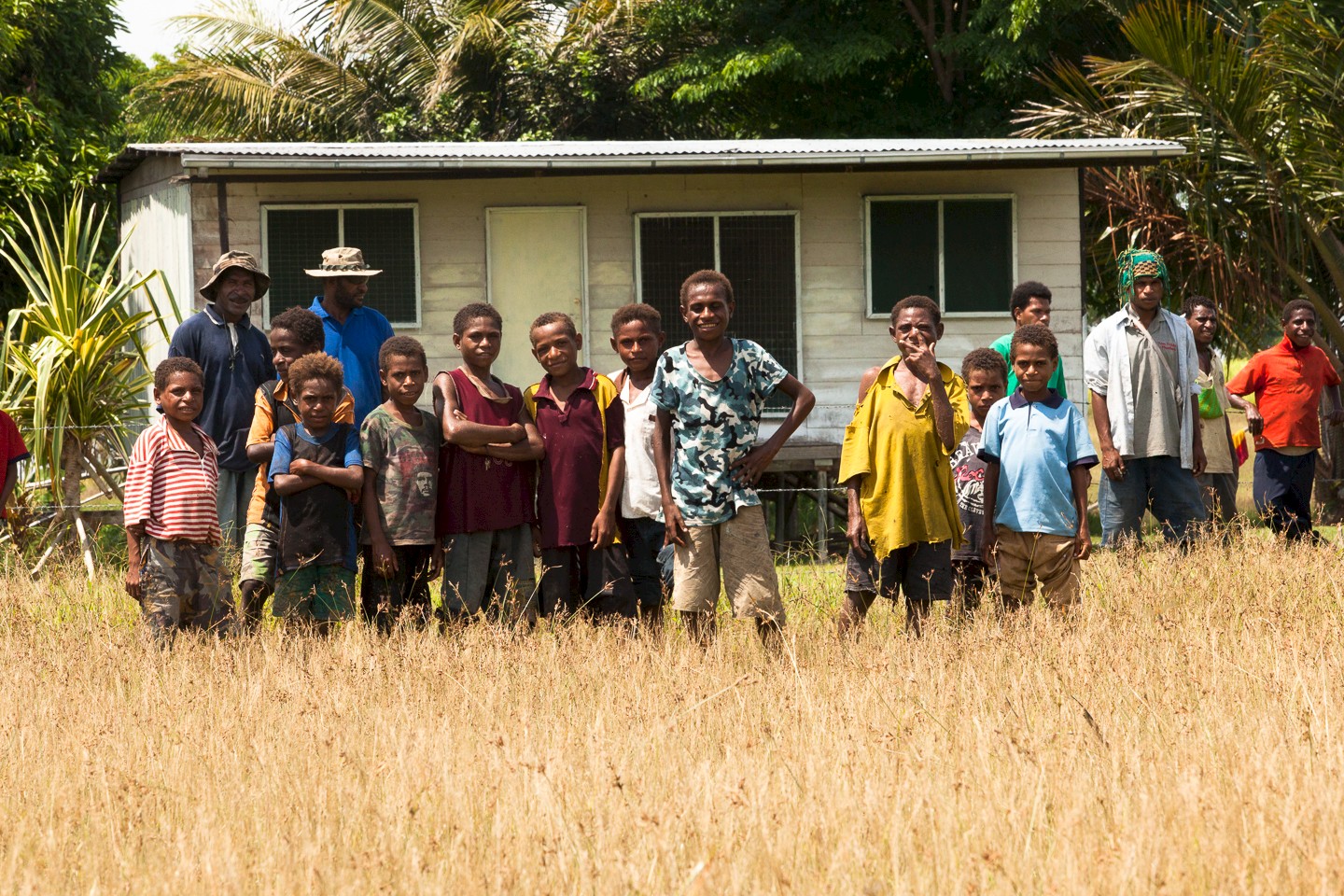
The grievance redress procedure for the April Salumei Rainforest Community Conservation Project is designed to effectively manage conflicts involving local stakeholders, the Chairman, the project manager, or the project proponent. Upon receiving a grievance, it is first addressed by the Incorporated Land Group Chairman and the Landowner Company Chairman. They have the initial opportunity to resolve the issue, emphasizing local leadership and direct communication.
If the person(s) raising the grievance is not satisfied, they can treat it as a dispute and refer for independent mediation through the dispute resolutions processes. This process is guided by the Rules Relating to the Accreditation, Regulation, and Conduct of Mediators ("ADR Rules") under Section 184 of the Constitution and Section 7E of the National Court Act (Ch. 38) of Papua New Guinea. These rules provide the formal framework for Alternative Dispute Resolution (ADR) procedures and standards applicable to all dispute resolution under the policy.
All appointed mediators and conciliators will be duly accredited in accordance with the PNG ADR Rules and listed with the National Court’s registry of accredited mediators. The parties shall mutually agree upon the selection of a mediator from this accredited list, or defer to the PNG National Court for an appointment where consensus is not reached.
Where mediation does not lead to a resolution, the matter will be escalated to either (a) arbitration, to the extent permitted under the applicable laws of PNG, or (b) competent courts in PNG. This escalation pathway is without prejudice to any party’s right to refer the grievance to a competent supranational adjudicatory body, where such a mechanism exists.
The full policy is attached below.